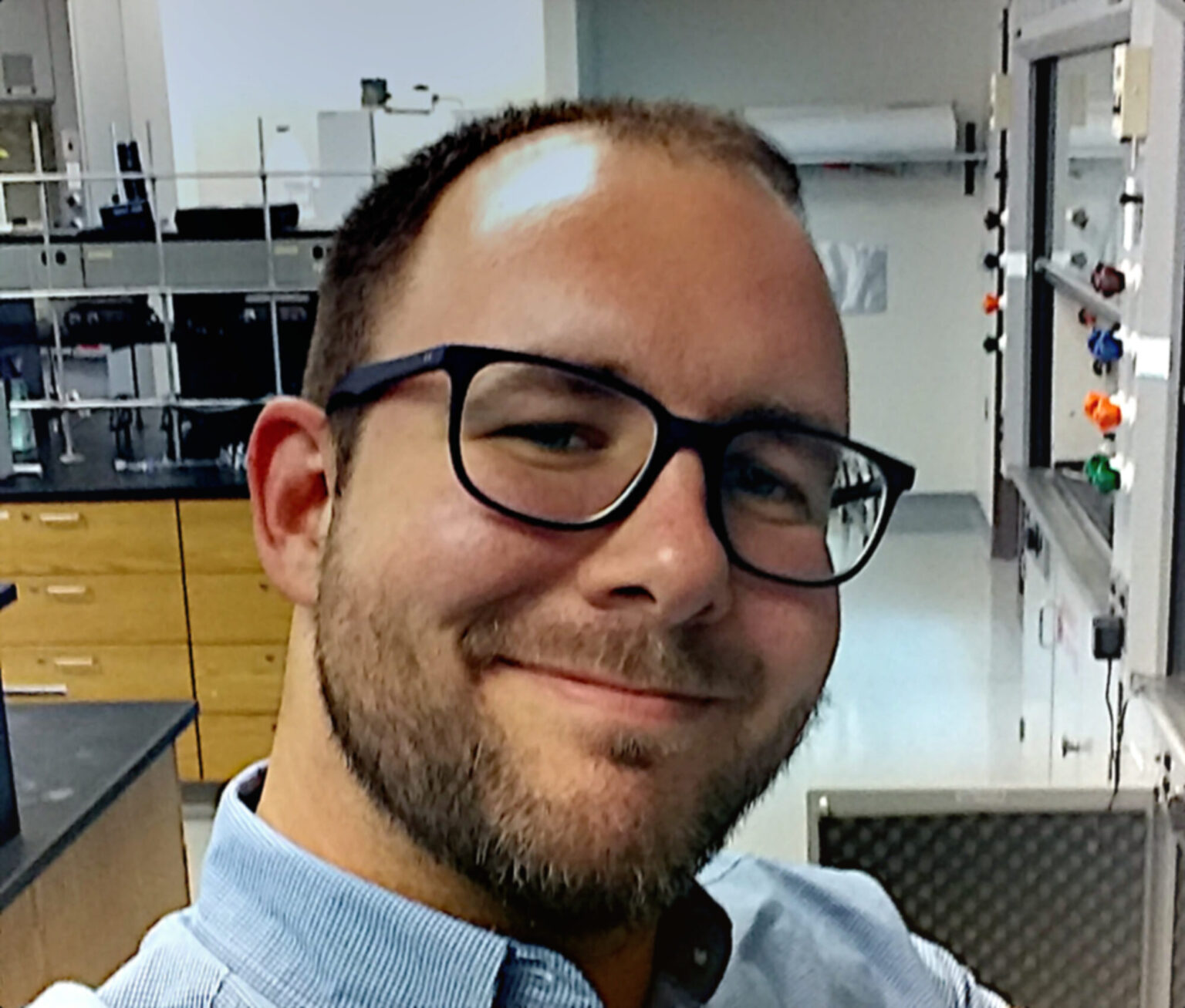
About Me
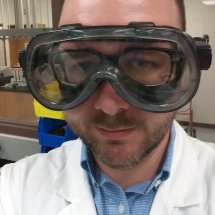
I’m a chemist working in education in the great city of Flint, MI. I started my educational journey at Mott Community College. I ultimately finished both my undergraduate and graduate studies at the University of Michigan - Flint. My graduate work focused on electronic structure calculations. Which is a fancy way of saying that I used computers to model molecules. I’ve retained an interest in computing, technology, and engineering. Throughout my time at UMFlint, I worked for the university as a chemistry and math tutor, a laboratory assistant, and a graduate researcher.
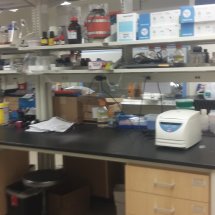
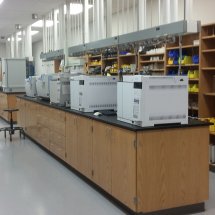
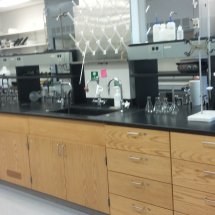
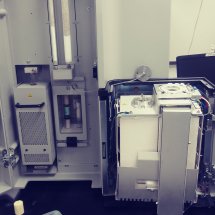
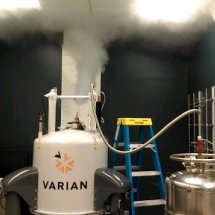
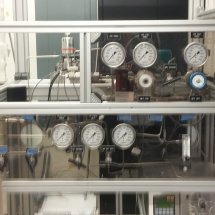
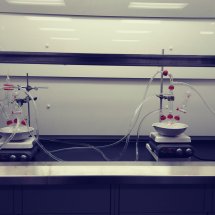
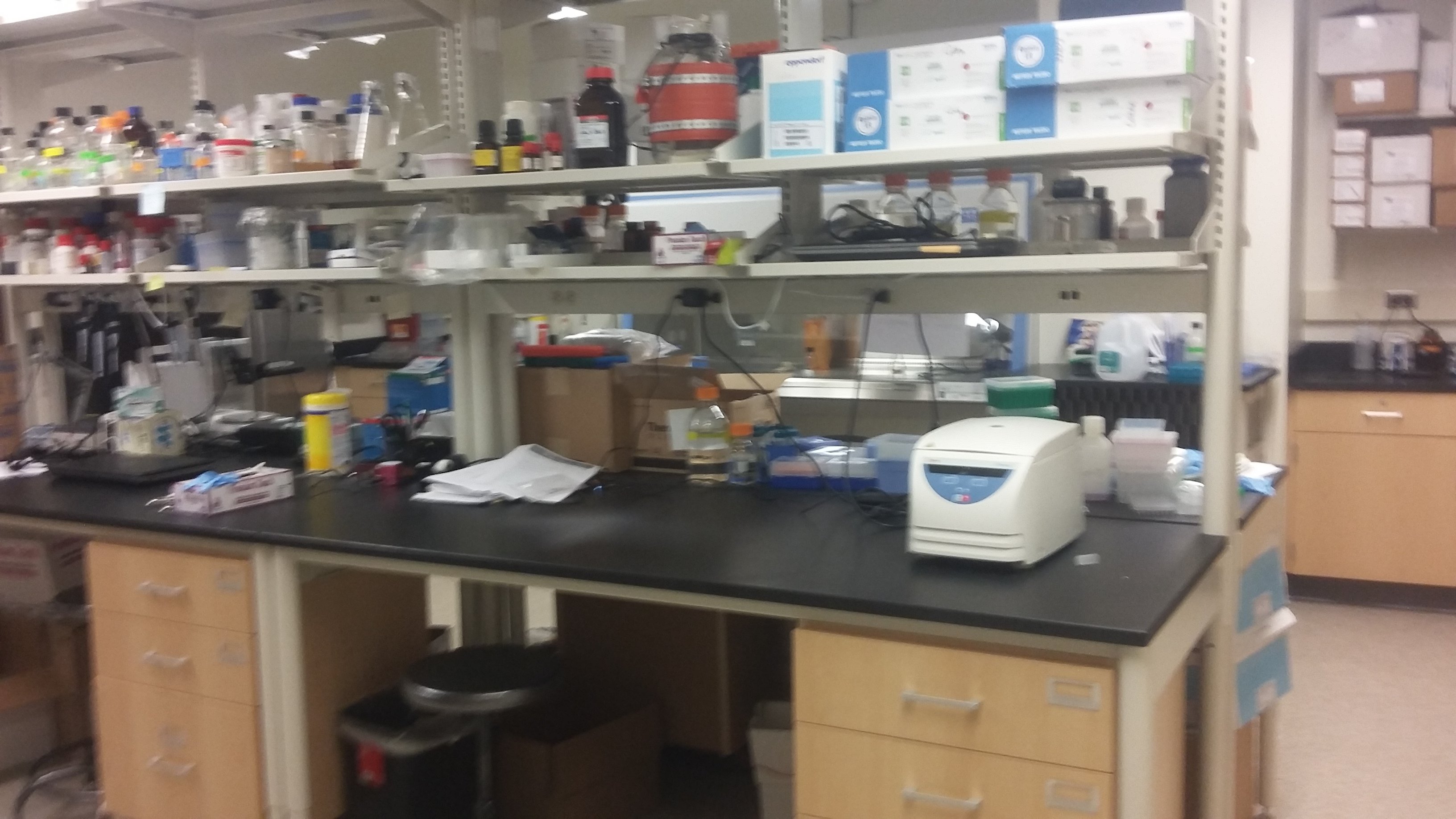
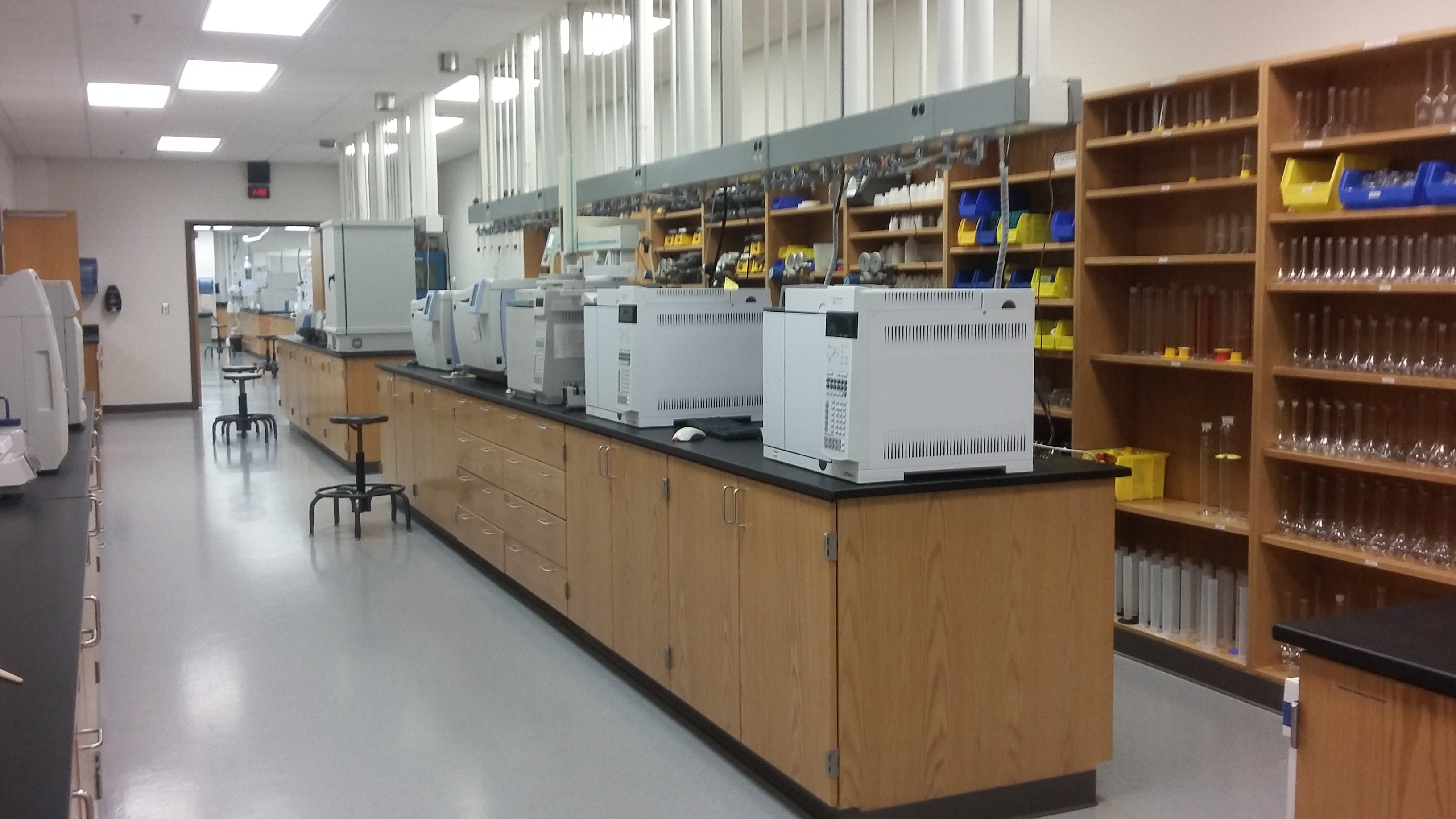
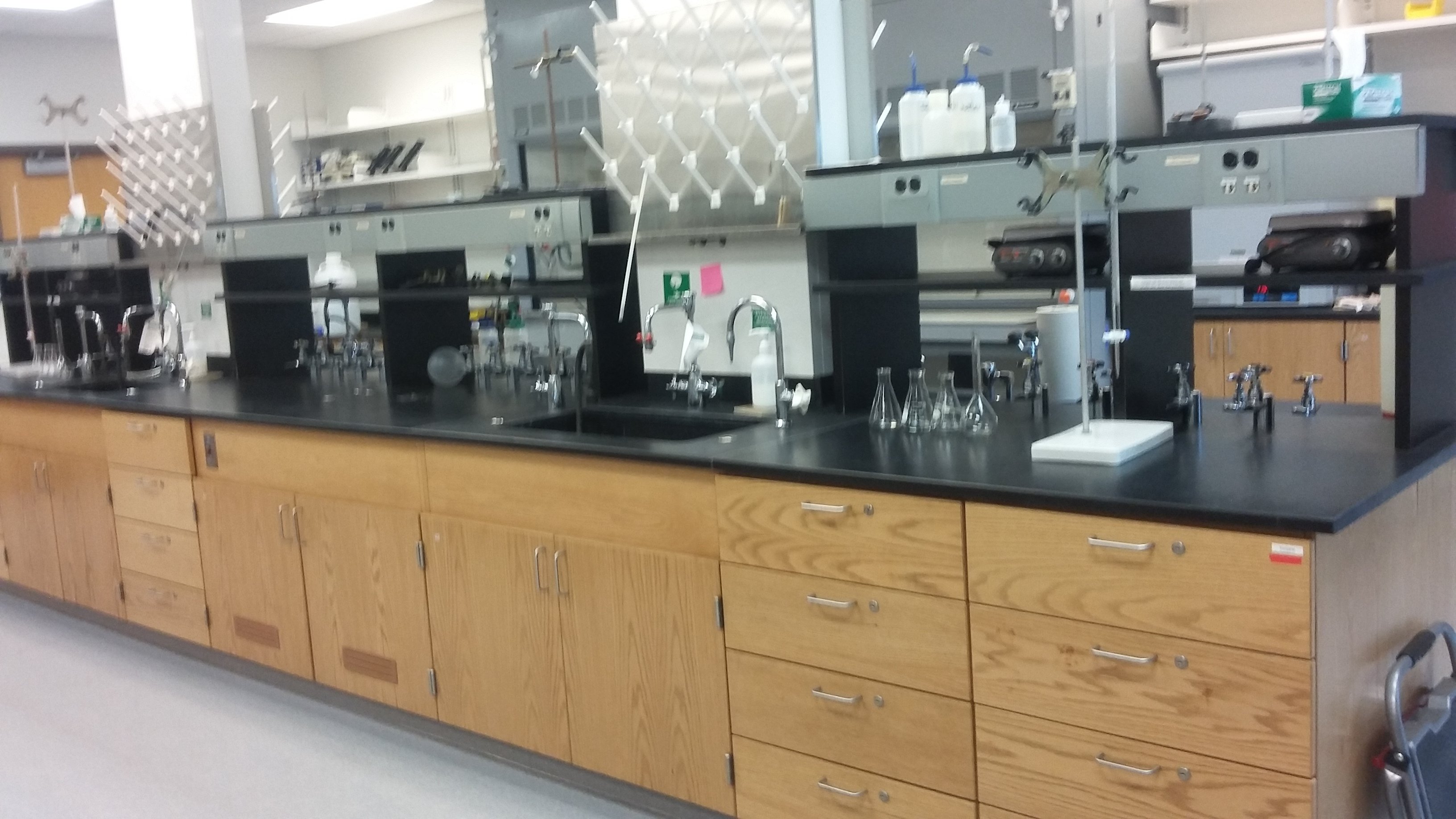
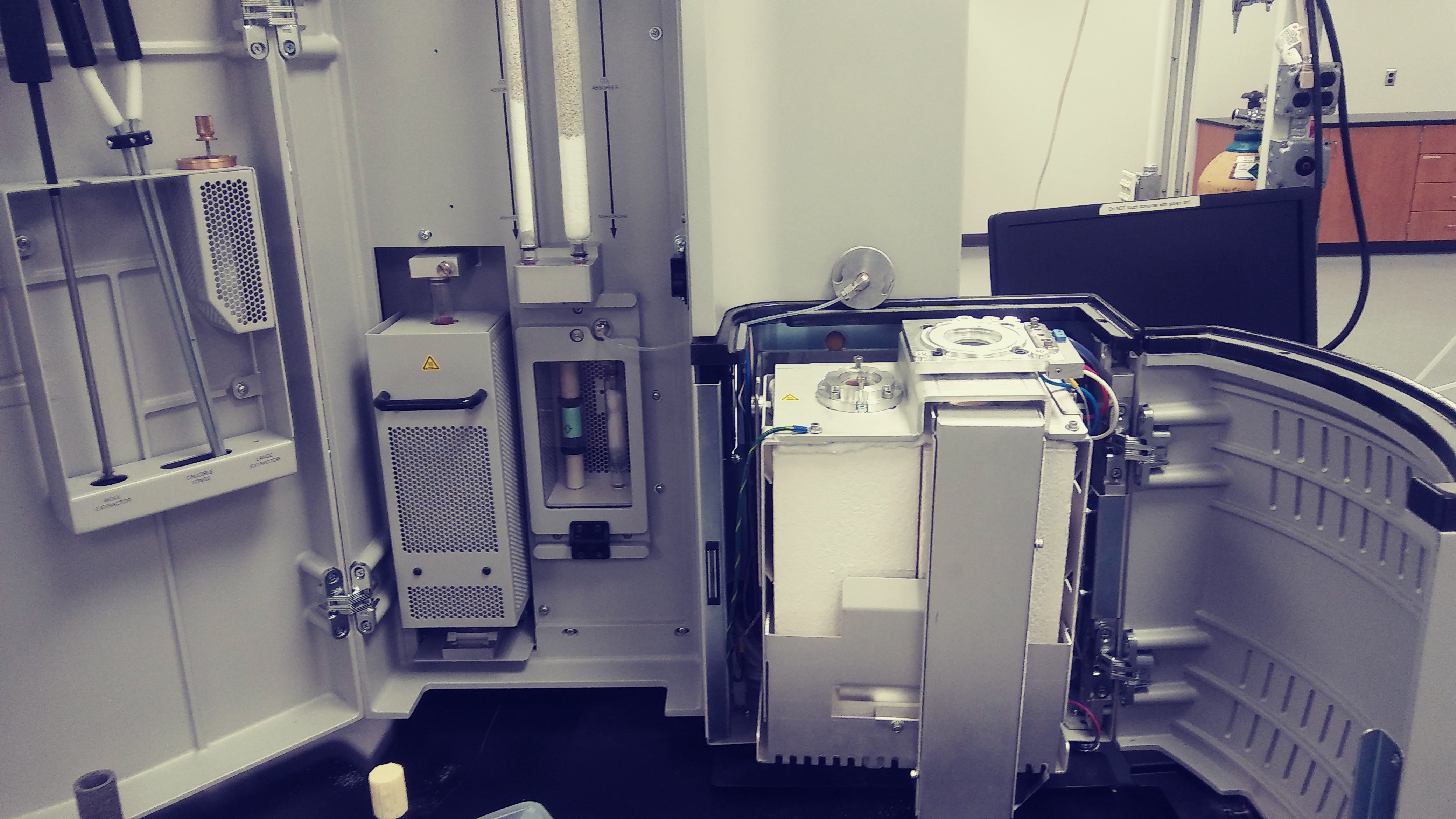
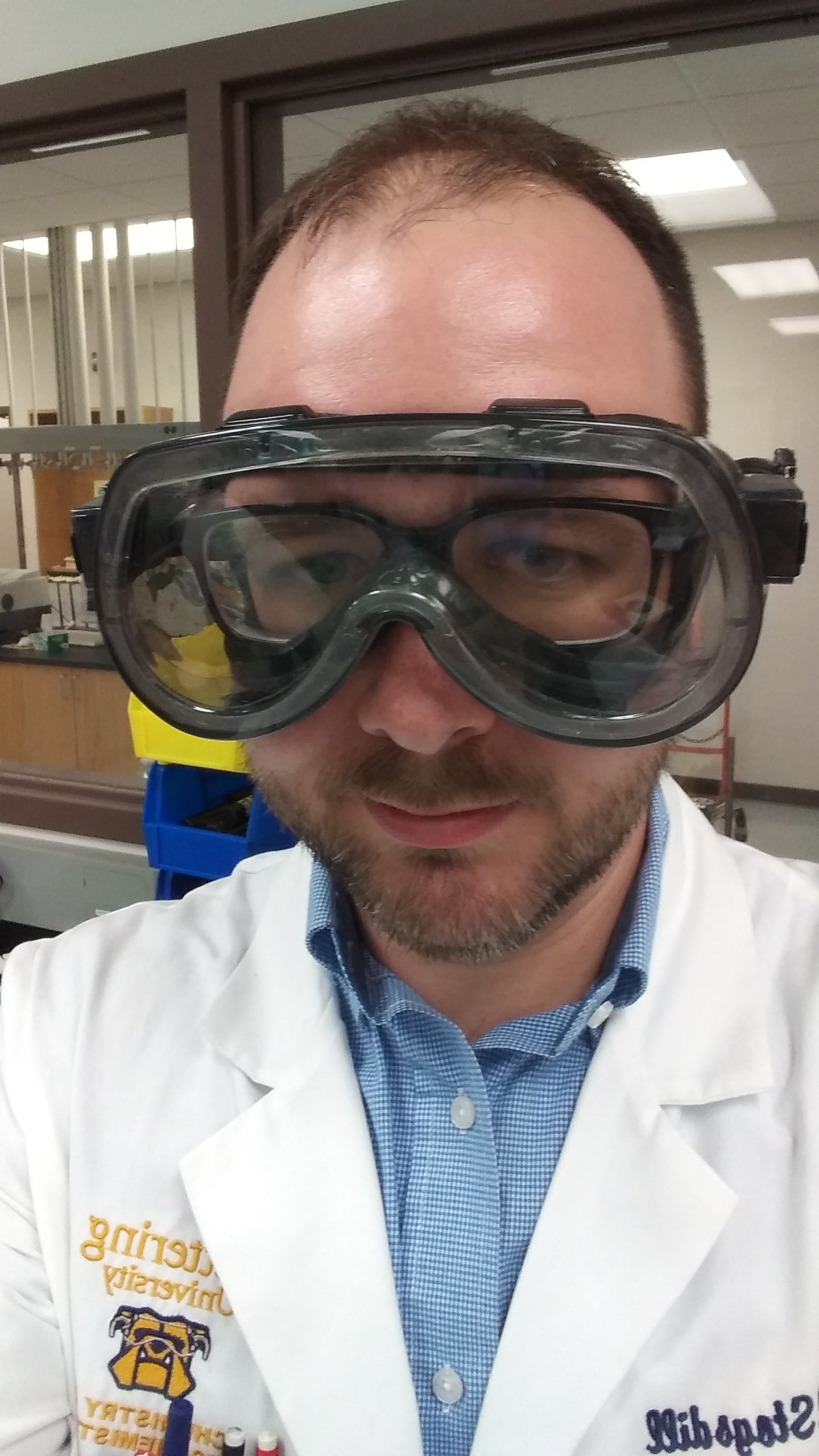
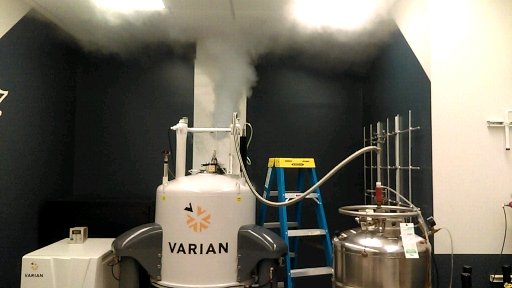
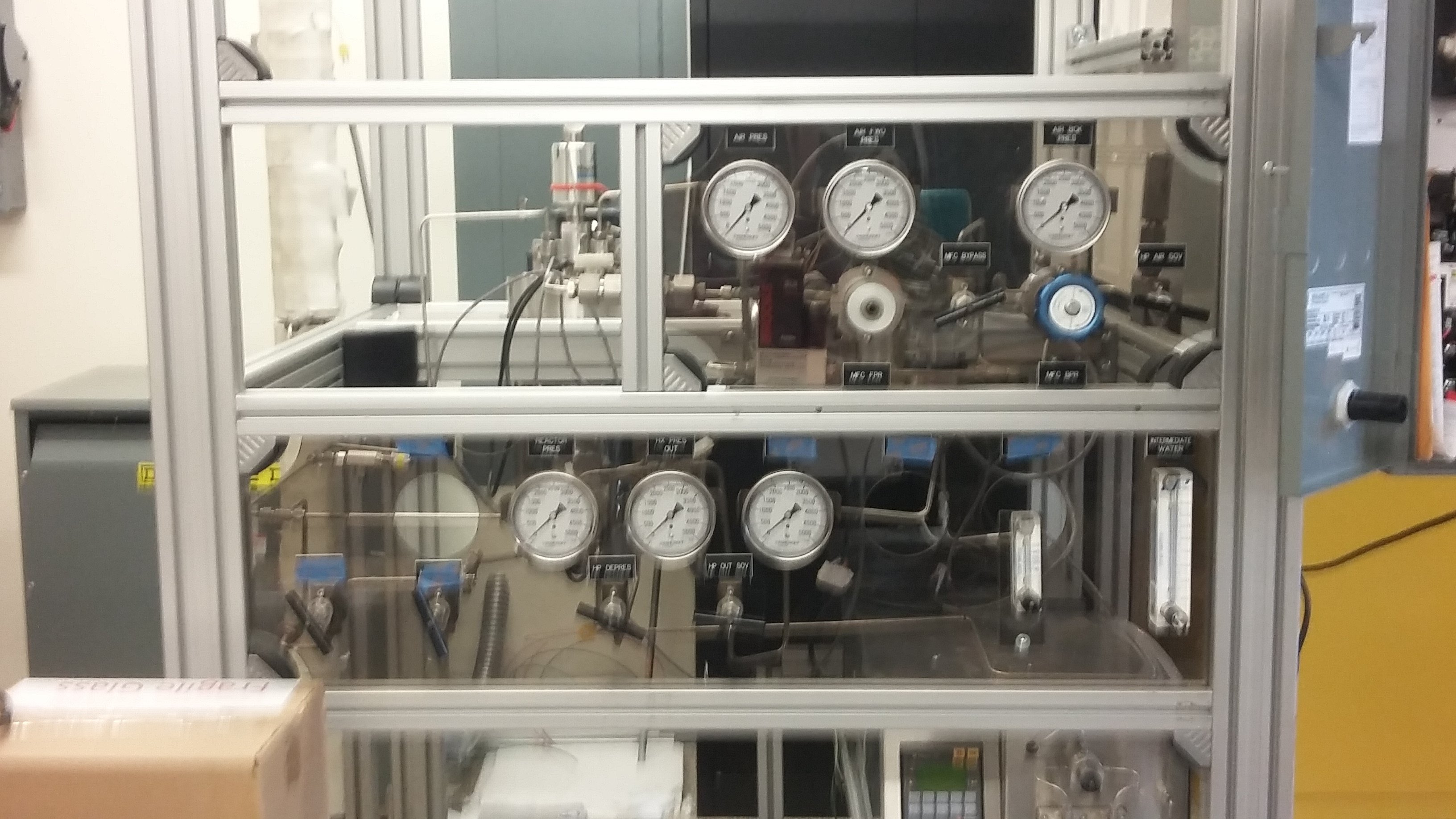
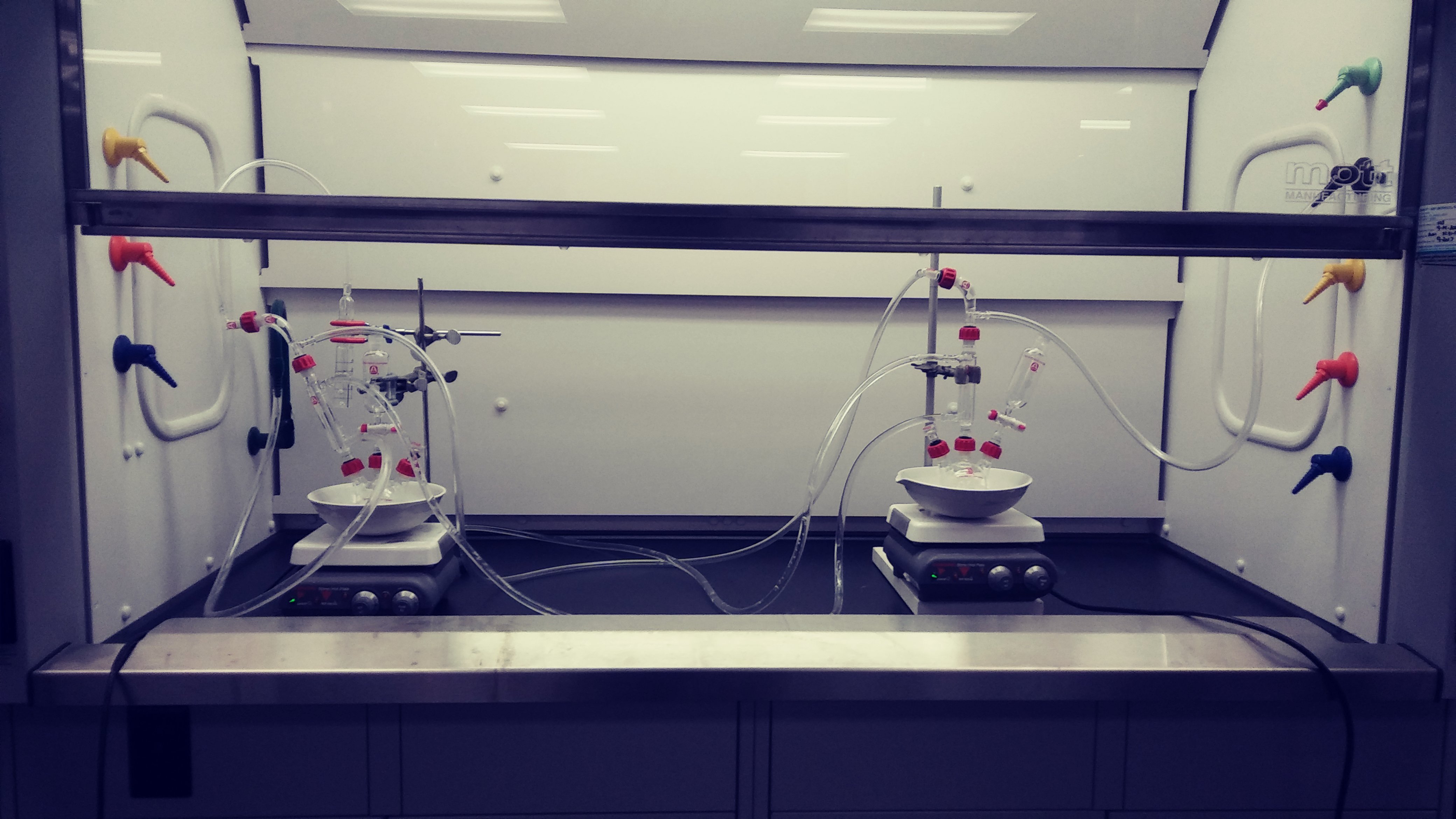
After completing my studies, I took a position working in the laboratories at Kettering University where I was able to participate in many research projects. I gained experience working with a wide variety of analytical instrumentation: including, XPS, NMR, GC-MS, LC-MS, IR, UV-VIs, IC, and PCR. Kettering was the first place I was exposed to teaching. I hadn't really ever considered it before. I was still more interested in taking classes myself 😉. So I did both. I taught chemistry courses while studying chemical engineering and business. My chemical engineering students thought it was funny when I took classes with them 😅.
Teaching soon became the most rewarding part of my work. So, in 2023, I decided to take a leap and transition to full-time teaching at Mott Community College. Back where my journey started. I really love my work and cherish the opportunity to give back to the community that has given me so much.
You may be interested in checking out my newest project ChemNotes.org.
Contact Details
Michael Stogsdill
3205B Gorman Science Building
Mott Community College
1401 E. Court St.
Flint, MI 48503-2089
(567)343-1425
michael.stogsdill@mcc.edu
Education
University of Michigan – Flint
Masters of Chemistry • May 2012
University of Michigan – Flint
B.S. Chemistry • May 2010
Work
Mott Community College
Full-time instructor • August 2023 - Present
Kettering University
Laboratory Specialist • June 2012 - July 2022
Skills
Testimonials
A few comments from students...
Hearing stories and anecdotes from the professor's real experiences within the field of chemistry helped me learn and remain excited about my future career prospects. Having a professor that has practiced what they teach in a various settings gives students more perspective.
‒ Anonymous Student, Fall 2024
He was just an amazing instructor overall. He always offered help to everyone, always explained why things were the way they were. He always had slides and personal notes so he stays on track and he uses the whiteboard very often and it’s so helpful.
‒ Anonymous Student, Winter 2023
It does help that Mr. Stogsdill is friendly and relatively approachable like a cool uncle or a distant cousin. Additionally it helped that he was willing to go back through things that were a little more complex and if you still couldn’t understand it during that class period he would always offer to meet with you either later that day or the next day for tutoring Mr. Stogsdill takes a personalized approach to teaching making me and I’m sure others feel at home in his class.
‒ Anonymous Student, Fall 2024
Teaching Philosophy
I'm going to open with a weird claim, material things have no value. Only people have value. An empty house, for instance, is worthless. It is only through the human effort of creating a home that a dwelling becomes valuable. Similarly, a blank page and pen has no value. But when we use these tools to create, we endow them with value. We create something beautiful through our efforts. Following this line of reasoning, the most valuable of our works are those that empower others to create their own value. We all have something inside us that is worth sharing. My special something just happens to be chemistry. I feel a moral imperative to share my knowledge and skills with others. By the same logic, I feel a compulsion to learn from others, to recognize their talents and skills for the valuable commodities that they are.
The world is a challenging place. Most of us operate under a tremendous amount of economic and societal pressure. It's easy to see education as just another barrier to achieve the security we all deserve. To see our teachers as gate keepers to the next chapter of our lives. I believe it is my responsibility to challenge this conception. To remind students that education is for their own personal enrichment, as much as, it is about developing marketable skills. I want my students to take pride in their work, to see their time in college as a journey of self discovery, and think about how they will use their education to make the world better (or at least not worse).
Ideals and grand statements are fine. But, in the end, you have to be an effective teacher. It's a difficult thing to measure learning. How can we be sure that we are transferring our brain worms 100% effectively 🪱 I put forth a lot of effort to record my methods. I then correlate them to objective outcomes for my students. I've learned a few things...
- Do not underestimate your students. Make the work challenging. Tell them that they can do it and mean it. Remind them that the body of human knowledge is not static. There is more and more to learn each and every year. But we are only allotted a limited time to complete our formal education.
- As much as possible, do not make time a factor in your assessments. People can improve the time it takes to complete tasks after they have mastered them, not while they are learning them.
- Give many opportunities for students to demonstrate their abilities. Give some leeway for them to fail without penalty. No one performs at their best 100% of the time.
- Do not simply tell your students they are wrong and move on. Make them repeat the tasks until they get it right. Repetition and correction cements concepts in our minds.
- Model the behavior you want to see in your students. Provide detailed notes, answer questions thoroughly and thoughtfully, respond to emails promptly, be on time, and always be respectful. If you work hard for them, they will work hard for you.
- Always remind your students that it is through hard work and dedication that we succeed. No one is born smart or talented.